

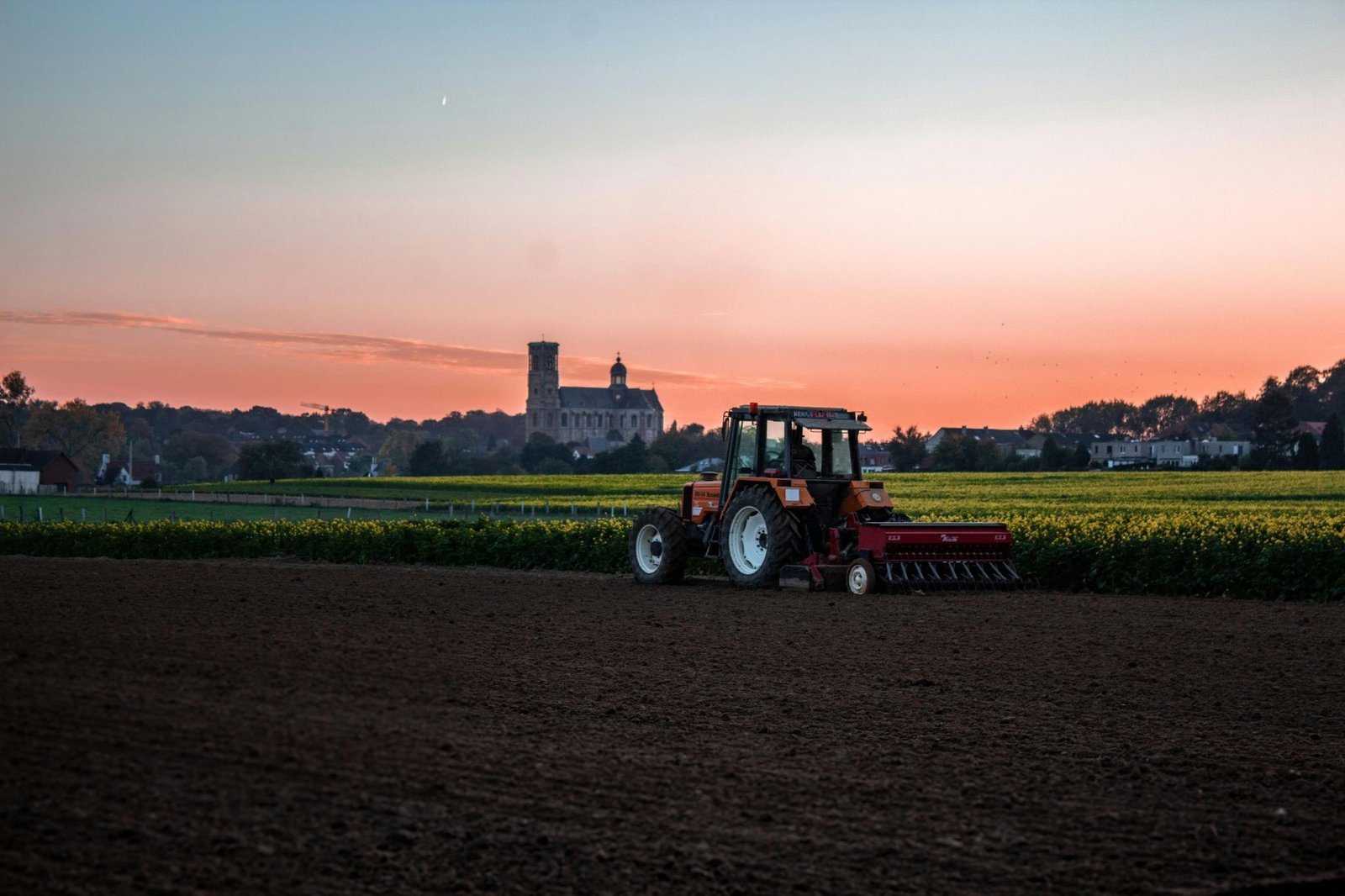
Transforming your outdoor space into something you can both admire and harvest from is more than a trend—it’s a lifestyle choice that brings nature, nutrition, and design into harmony. Edible landscaping merges the practical elements of a garden with the aesthetic values of traditional landscaping, proving that utility and beauty don’t have to live in separate zip codes. You can grow food and still keep things stylish; the key is thinking beyond rows of lettuce and tomato cages.
Location Is the Blueprint of Success
Before anything takes root, you need to figure out where your edible oasis will live. The ideal location should get at least six hours of direct sunlight per day, as most fruits and vegetables are sun-loving plants. Drainage matters too—look for a spot that doesn’t stay soggy after a heavy rain. And because you’ll be spending time tending to it, planting close to your home makes access easier, which means you’re more likely to care for it and enjoy its beauty up close.
Turn Passion Into Profit—But Protect It First
If you’re documenting your edible garden journey or teaching others how to grow their own, turning that content into a YouTube channel is a smart way to share knowledge and potentially generate income. But if you’re serious about monetizing your efforts—through ads, sponsorships, affiliate links, or even selling products—it’s important to treat the channel like a legitimate business from day one. To protect your personal assets and add a layer of professionalism, consider forming a limited liability company, especially if you plan to grow beyond just a hobby.
Layout Like a Landscape Architect, Not a Farmer
When designing your edible landscape, don’t default to straight rows. Instead, treat the space like a canvas and design with curves, height variations, and focal points in mind. Use raised beds or tiered planters to add structure and visual appeal. Group plants by light and water needs, and blend in ornamentals if you want even more variety. Layering is a game changer—tall plants like okra or corn can create a backdrop while low-growing herbs fill in the foreground.
Make Friends with Companion Planting
Nature knows how to collaborate, and you should too. Companion planting is about putting certain plants together so they benefit one another—like basil next to tomatoes to boost flavor and ward off pests. Marigolds tucked between vegetables deter nematodes and aphids. This method not only strengthens your garden’s ecosystem, but it also helps you design in patterns rather than monocultures. It’s practical, it’s natural pest control, and it’s gorgeous when done right.
Fruit Trees and Berry Bushes Belong in Your Front Yard
Forget hiding your fruit trees in the backyard—bring them to the front where they can shine. Dwarf and semi-dwarf varieties make excellent ornamental features and can even be espaliered along fences or walls for a sculptural look. Blueberry bushes serve as stunning foundation plants with multi-season interest: flowers in spring, berries in summer, foliage in fall. And let’s not forget that nothing beats the taste of fruit picked warm from the sun.
Sustainability Makes the Landscape Last
A truly functional edible garden should work in tandem with the environment. That means composting your green waste, using mulch to retain moisture and suppress weeds, and choosing organic fertilizers that nurture your soil over time. Install a rain barrel to collect water or design swales to naturally direct it where needed. Avoid synthetic pesticides that harm beneficial bugs—your garden thrives when nature’s balance is intact.
Plan for the Seasons, Reap All Year
Edible landscapes don’t have to go dormant when the weather changes. With a little seasonal planning and crop rotation, you can enjoy a changing but always productive garden. Use early spring for cold-tolerant crops like peas and kale, swap in heat-lovers like peppers and cucumbers in summer, and switch to root veggies and greens in fall. Rotation isn’t just about timing—it keeps the soil healthy by avoiding nutrient depletion and reducing disease buildup.
Blend the Practical and the Beautiful Without Compromise
The magic of an edible landscape is in its duality—it’s both form and function. Every design choice becomes more rewarding when it produces food and elevates the space visually. You’ll stop seeing your yard as separate zones for flowers and vegetables, and start recognizing the power of merging the two. And once you get a taste of a garden that feeds your eyes and your plate, you’ll wonder why you didn’t start sooner.
Discover the ultimate resource at Project Complete and connect with top companies to transform your home, restaurant, or outdoor space today!


